Laadpaal inclusief installatie

Rich Text Goes Here

Binnen 1 week geplaatst
Gecertificeerde monteurs
Gratis advies + offerte
Snel een offerte?

Waarom kiezen voor een laadpaal inclusief installatie?

Rich Text Goes Here

Subheading

Onze laadpalen

Rich Text Goes Here
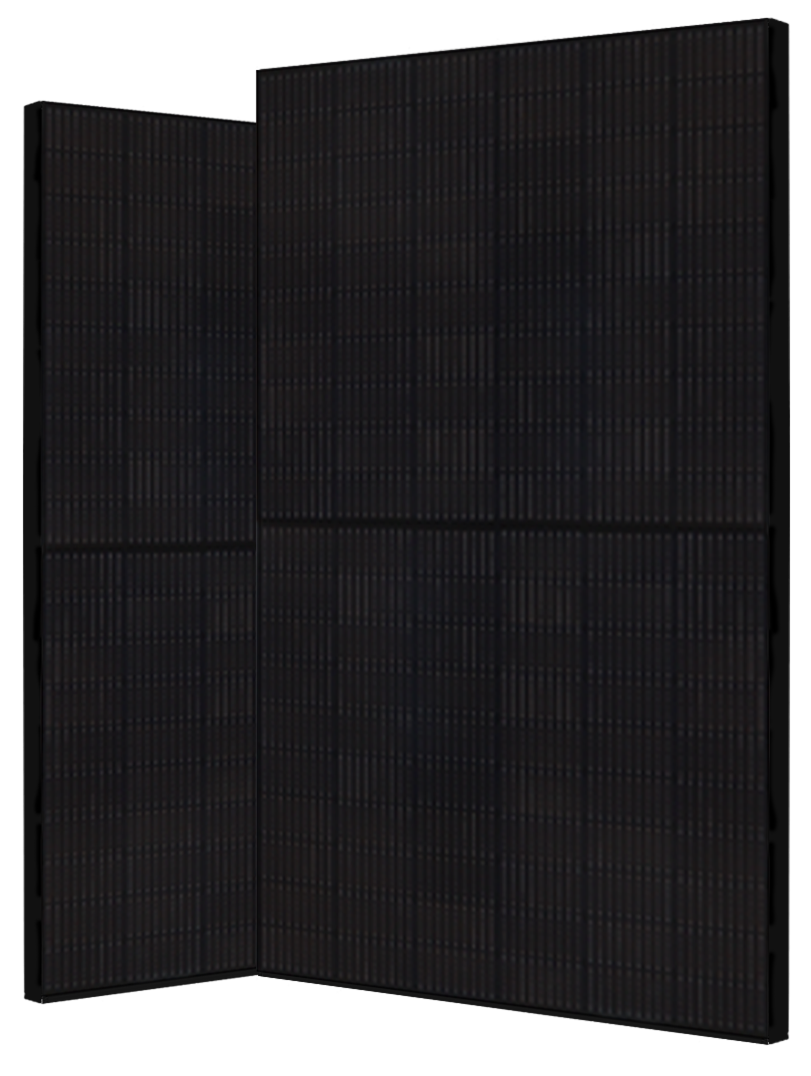
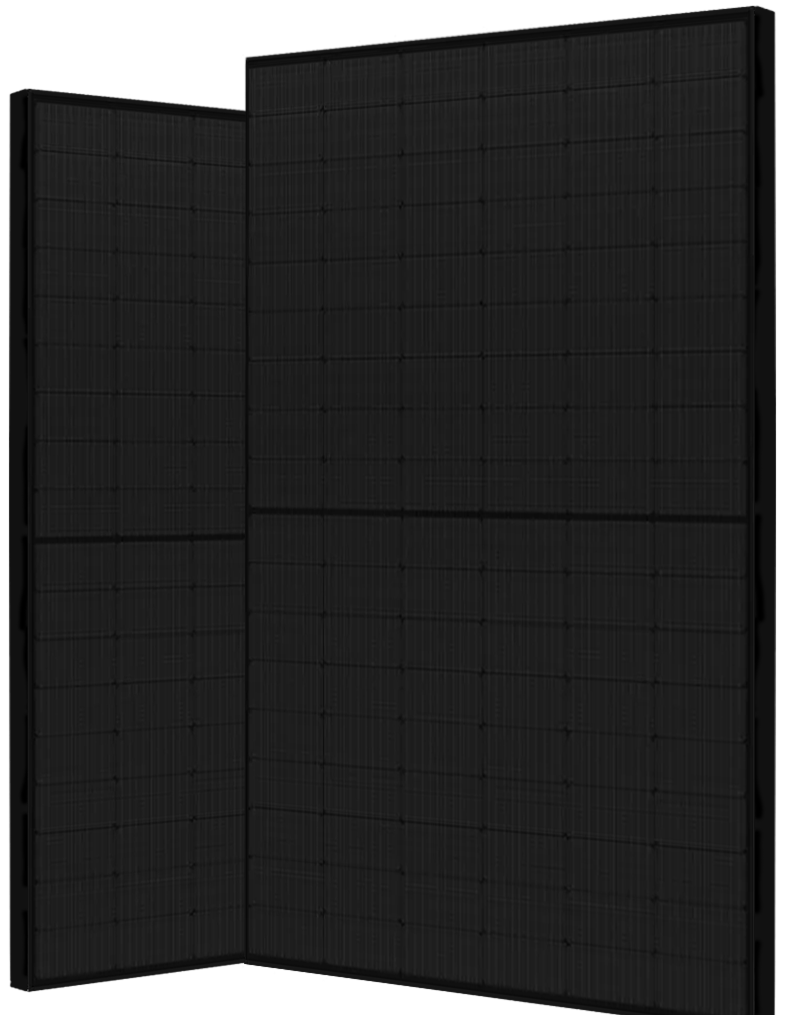
Meyer Burger Black 390Wp

Vermogen: 390 Wattpiek, dit levert uitstekende prestaties bij verschillende lichtomstandigheden;

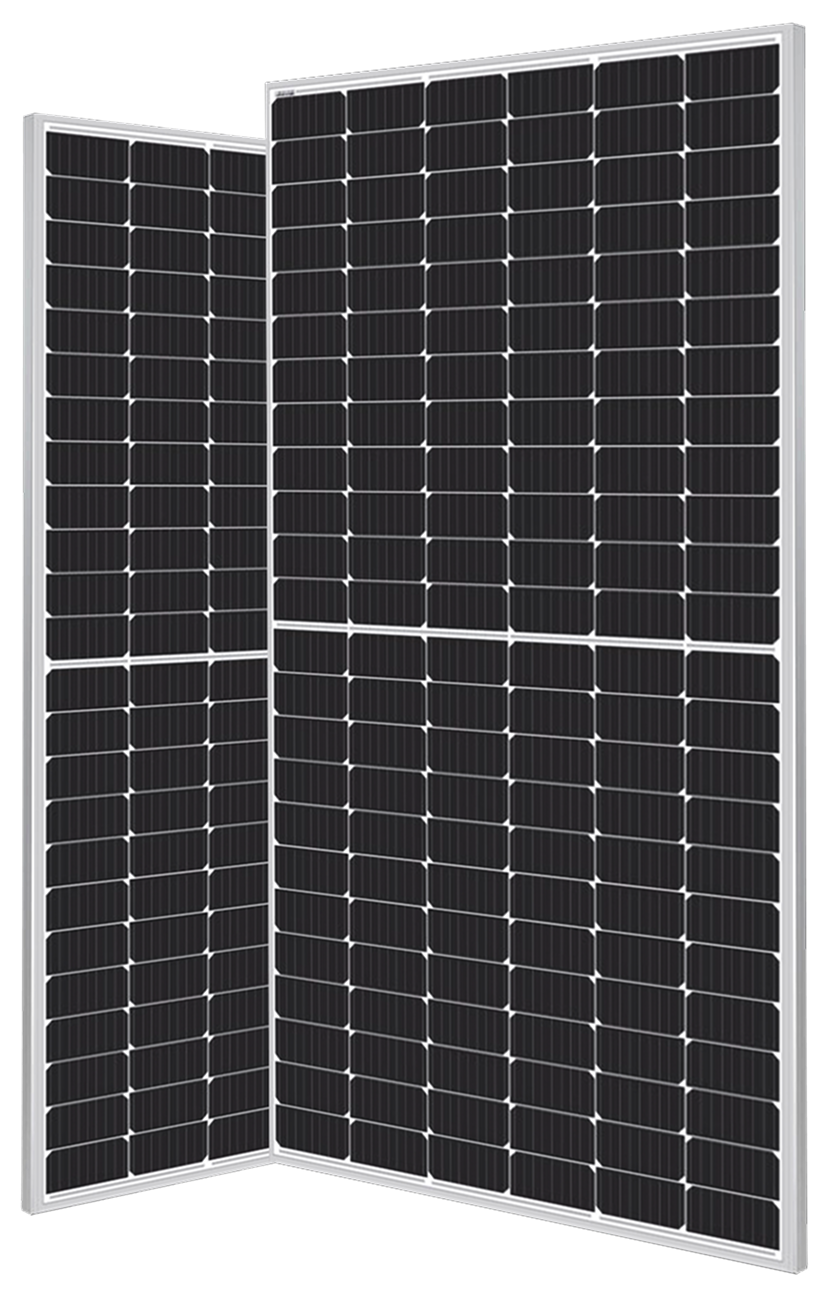
Canadian Solar CS6W-580MS

Vermogen: 390 Wattpiek, dit levert uitstekende prestaties bij verschillende lichtomstandigheden;

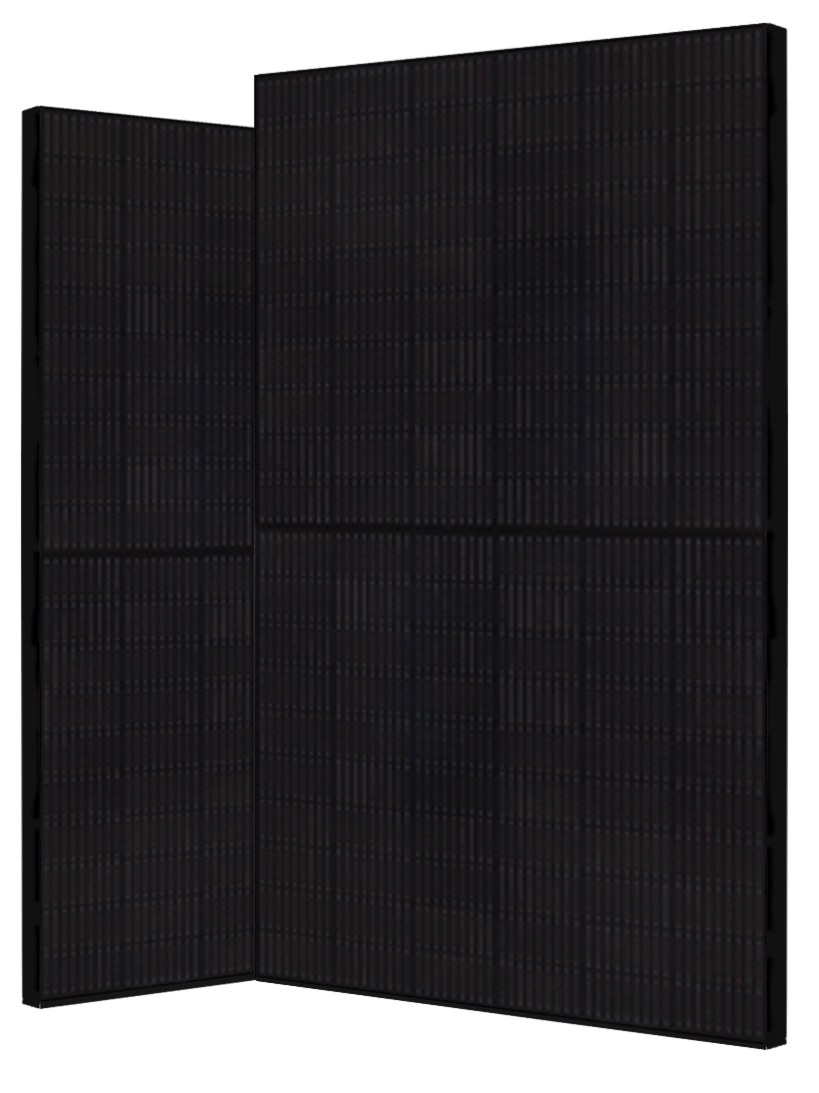
JA Solar JAM72S20/465

Vermogen: 465 Wattpiek, ideaal voor hoge energieopbrengst;

LONGi Solar LR5-54HPB-410M

Vermogen: 410 Wattpiek voor optimale energieopbrengst.

JA Solar JAM54D41/445

Vermogen: 445 Wattpiek, levert indrukwekkende prestaties
Advies

Welke laadpaal heb ik nodig?

Rich Text Goes Here

Wallbox vs laadpaal

Rich Text Goes Here

Vaste kabel vs losse socket

Rich Text Goes Here

Slimme functies

Rich Text Goes Here

Merkkeuze

Rich Text Goes Here

Advies

Wat kost een laadpaal inclusief installatie?

Rich Text Goes Here
Laadpaal inclusief zonnepanelen installeren?

Rich Text Goes Here

Get A Roof Scan

Veel gestelde vragen

Rich Text Goes Here

Can I expand my solar system later?

Yes, you can often add more panels to your existing system, though it depends on several factors including available roof space, electrical capacity, and local utility interconnection limits. It's generally more cost-effective to size your system appropriately from the start, but expansion is possible if your energy needs change or you want to add an electric vehicle.

Can I install solar panels myself?

While DIY solar kits are available, professional installation is highly recommended for safety, warranty, and performance reasons. Solar installation involves electrical work, roof modifications, and local permitting requirements. Most manufacturers require professional installation to maintain warranties, and many jurisdictions require licensed electricians for the electrical connections.

What happens to my solar panels in extreme weather?

Solar panels are built to withstand harsh weather conditions, including high winds (up to 140 mph), hail, and temperature extremes. They're tested to meet strict durability standards and actually perform more efficiently in cooler temperatures. Snow typically slides off panels easily, and light snow cover usually melts quickly due to the panels' dark surface.

Will solar panels work during a power outage?

Standard grid-tied solar systems automatically shut off during power outages for safety reasons, even if the sun is shining. To have power during outages, you need a battery backup system or a special inverter with backup capabilities that can power essential circuits while disconnected from the grid.

How much roof space do I need for solar panels?

A typical residential solar installation requires 300-600 square feet of roof space, depending on your energy needs and panel efficiency. Generally, you need about 100 square feet per kilowatt of solar capacity. For an average 6kW system, expect to use around 400-500 square feet of south-facing roof area.